Indian Railway Stations Once Named After British Governors
Several Indian railway stations were originally named after British governors during the colonial era. While most have since been renamed, a few still retain their original names, offering rare glimpses into India’s railway history.

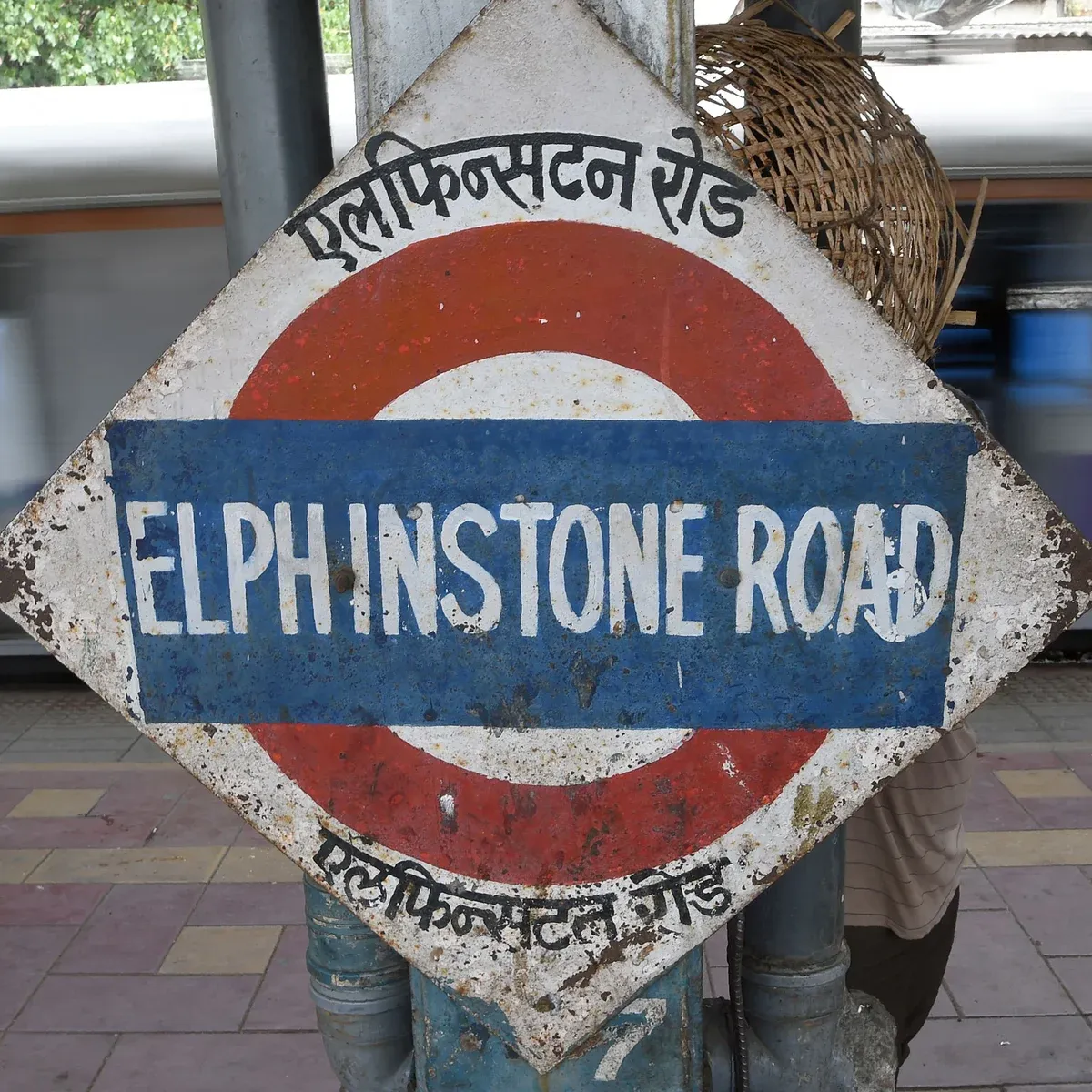
SpotGenie Fact: Indian Railway Stations Named After British Governors (Past & Present)
India’s railway network was largely built during the British colonial period, and many stations were originally named after British governors, viceroys, or administrators.
Over time, most of these names were changed to reflect local culture, geography, or heritage. However, a small number still survive, quietly embedded in everyday travel.
Stations Renamed from British Governor Names
Elphinstone Road → Prabhadevi (Mumbai)
- Original Name: Elphinstone Road
- Named After:
John, 13th Lord Elphinstone
Governor of Bombay Presidency (1853–1860) - Renamed: 2017
- New Name: Prabhadevi (after the nearby temple)
This is one of the most prominent modern examples of a British-era station name being officially replaced.
Victoria Terminus → Chhatrapati Shivaji Maharaj Terminus (CSMT)
-
Original Name: Victoria Terminus (VT)
-
Named After: Queen Victoria
-
Renamed:
- 1996 → Chhatrapati Shivaji Terminus
- 2017 → Chhatrapati Shivaji Maharaj Terminus
Though not named after a governor, it represents one of the most significant colonial-era renamings in Indian Railways.
Stations Still Retaining British Governor Names
Grant Road (Mumbai)
- Named After: Sir Robert Grant
- Role: Governor of Bombay (1835–1839)
- Status: Name unchanged as of 2025
Despite periodic proposals, Grant Road continues to retain its original name.
Reay Road (Mumbai)
- Named After: Lord Reay
(Donald Mackay, 11th Lord Reay) - Role: Governor of Bombay (1885–1890)
- Status: Name still in use
Reay Road is among the few remaining stations directly named after a British governor.
Why Most Governor Names Were Changed
- Post-Independence identity realignment
- Preference for local, cultural, or geographic names
- Avoidance of colonial administrative titles
- Public familiarity influencing selective retention
Indian Railways generally prioritizes clarity, continuity, and passenger recognition when renaming stations.
Historical Footnote
Although not a station name today, Lord Dalhousie (Governor-General of India, 1848–1856) played a crucial role in railway history.
India’s first passenger train (1853) ran during his tenure, earning him the informal title of “Father of Indian Railways.”
Station names are more than labels, they are living archives.
Even as cities modernize, a few railway names still preserve chapters of India’s colonial transport history.
SpotGenie
Just as station names help identify places across generations, SpotGenie Smart Vehicle Tags help identify vehicles instantly, enabling faster communication during parking issues, breakdowns, or emergencies.
🔗 Other SpotGenie Facts
India’s Most Crowded Railway Station
https://blog.spotgenie.in/indias-most-crowded-railway-station/
India’s First ‘Silent’ Railway Station
https://blog.spotgenie.in/indias-first-silent-railway-station/
India’s First Highway With Emergency Call Boxes
https://blog.spotgenie.in/indias-first-highway-with-emergency-call-boxes/
Begunkodor - India’s Haunted Railway Station
https://blog.spotgenie.in/indias-haunted-railway-station/
Kalka-Shimla Toy Train (102 Tunnels, 864 Bridges)
https://blog.spotgenie.in/train-route-with-102-tunnels-864-bridges/
India’s First Railway Station Built Inside a Rock Tunnel
https://blog.spotgenie.in/indias-first-railway-station-built-inside-a-rock-tunnel/
India’s Highest Motorable Bridge
https://blog.spotgenie.in/indias-highest-motorable-bridge/
Follow us on:
🅾 Instagram |
ⓕ Facebook |
𝕏 X |
▶️ YouTube |
🟢 WhatsApp