Tata Ziptron EV Powertrain: India’s First Trusted EV System
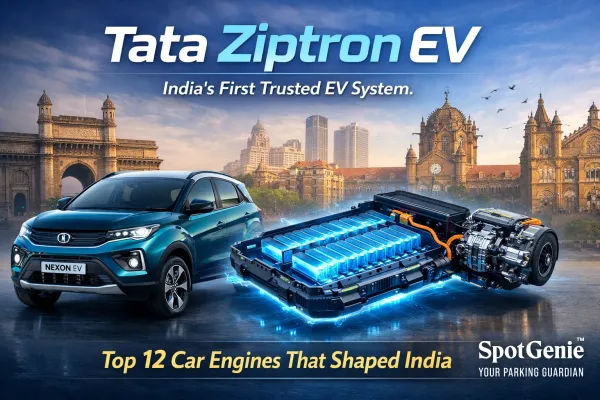
Tata Ziptron didn’t chase EV hype, it built trust. Powering Nexon EV and beyond, it made electric cars reliable, safe, and practical for Indian families. | SpotGenie Gyaan | Top 12 engine
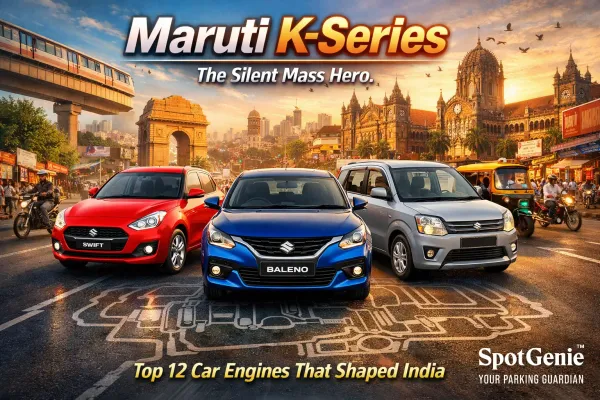
Maruti Suzuki’s K-Series engines quietly powered India’s mobility revolution, delivering lightweight efficiency, BS6 success, and unmatched everyday reliability. | SpotGenie Gyaan | Top 12 engine
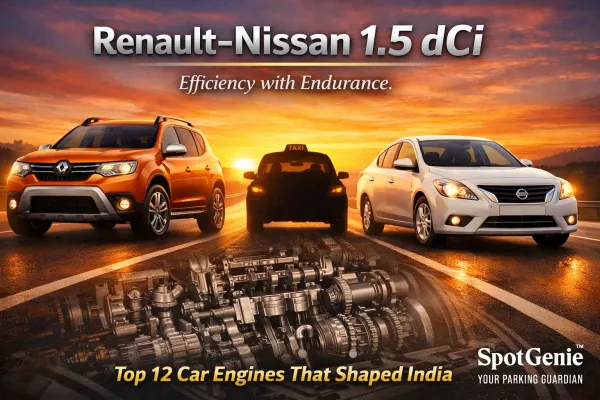
The Renault–Nissan 1.5 dCi diesel engine powered India’s highways with legendary efficiency and endurance, becoming the silent workhorse behind millions of reliable journeys. | SpotGenie Gyaan | Top 12 engine
Volkswagen’s 1.0 and 1.5 TSI engines transformed petrol cars in India, bringing turbocharged performance, downsized efficiency, and a new driving culture to modern Indian roads. | SpotGenie Gyaan | Top 12 engine
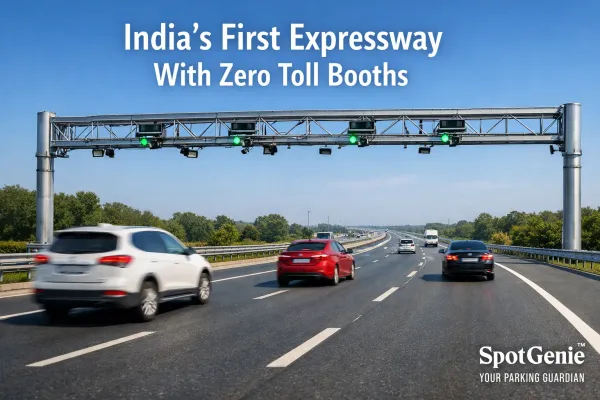
India’s Dwarka Expressway in the Delhi–Gurugram corridor is set to become the country’s first expressway* designed with zero toll booths, using Free Flow Tolling (automated electronic tolling via overhead gantries) to eliminate physical plazas and delays. | SpotGenie Fact
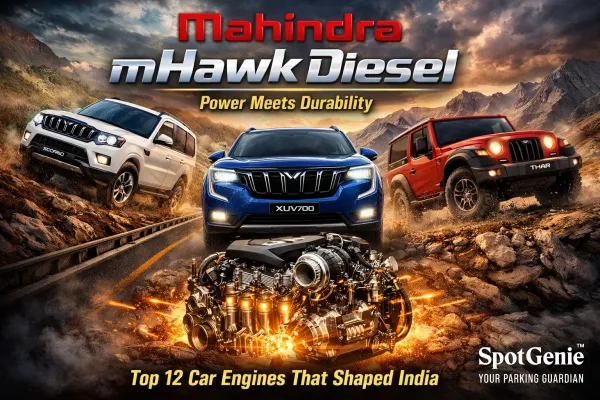
Mahindra’s mHawk diesel engine redefined Indian SUVs with unmatched torque, durability, and long-distance confidence, powering Scorpio, XUV, and Thar into icons. | SpotGenie Gyaan | Top 12 engine
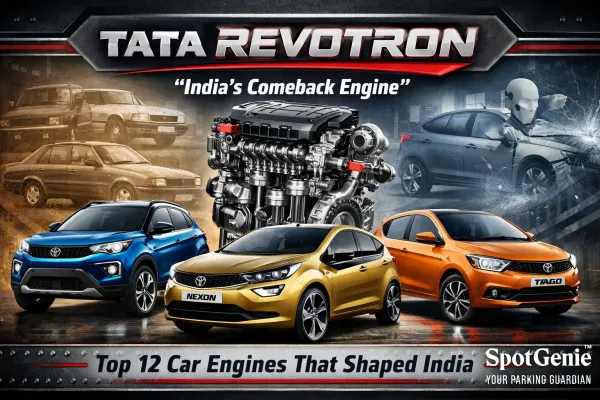
Tata Revotron petrol engines powered Tata Motors’ comeback, bringing turbo performance, safety pairing, and Indian-focused engineering back into the mainstream. | SpotGenie Gyaan | Top 12 engine
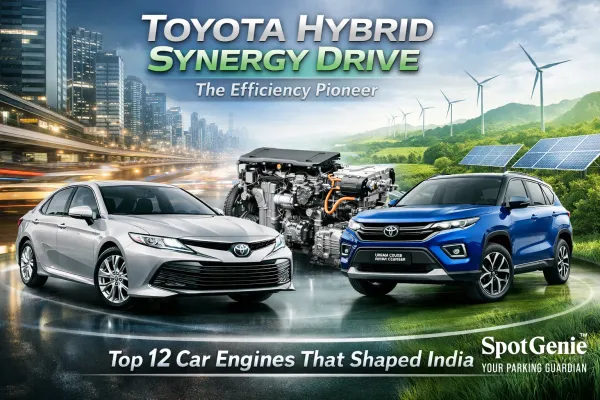
Toyota Hybrid Synergy Drive brought EV-like efficiency to India without charging anxiety. A pioneer system that made hybrids practical, reliable, and ready for Indian roads.
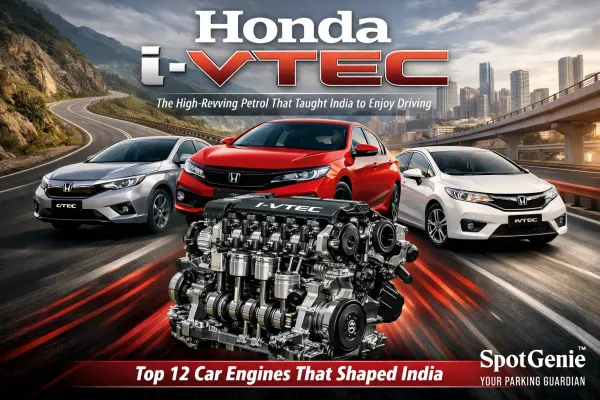
Honda i-VTEC taught India that driving could be joyful. A high-revving petrol engine that blended reliability, efficiency, and pure throttle response, and changed Indian driving culture forever.
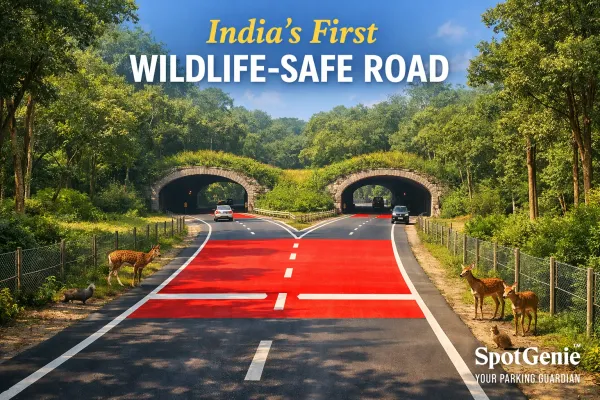
India’s first wildlife-safe highway stretch has been introduced on NH-45 (Bhopal–Jabalpur) in Madhya Pradesh, featuring table-top red markings, underpasses, fencing, and speed-calming design to protect tigers, deer, and other animals crossing the road.
In 2025, India’s top selling cars spanned hatchbacks, sedans and SUVs, led by the Maruti Suzuki Dzire, Hyundai Creta, Tata Nexon and Maruti WagonR among others, reflecting diverse buyer preferences and sustained demand across segments.
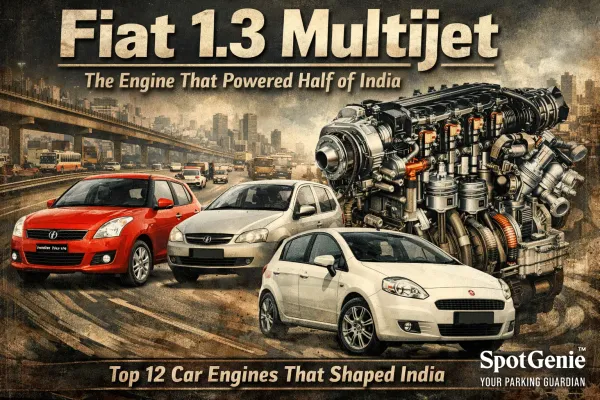
The Fiat 1.3 Multijet didn’t belong to one brand. It powered Maruti, Tata, Fiat and more, becoming the most widely used diesel engine in Indian automotive history.
Gyaan 🧞♂️
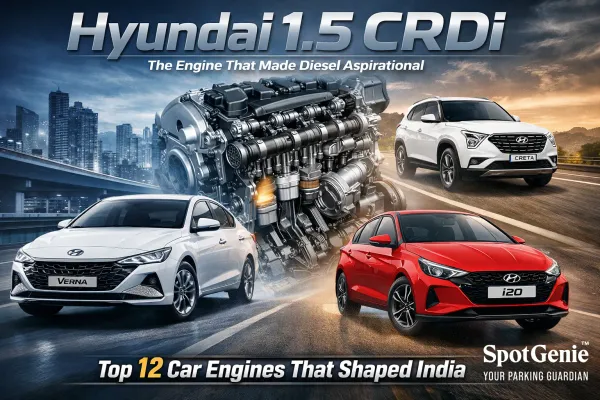
Hyundai’s 1.5 CRDi diesel changed how India viewed diesel cars, refined, powerful, and aspirational. The engine that redefined torque, comfort, and confidence on Indian roads.
Gyaan 🧞♂️
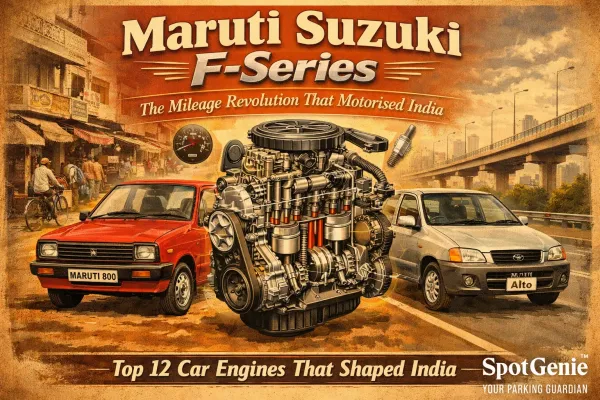
Before turbochargers and hybrids, one engine made car ownership possible for millions. The Maruti Suzuki F-Series powered India’s mileage revolution and motorised the middle class forever.
Gyaan 🧞♂️
Engines don’t just power cars, they shape habits, segments, and generations. SpotGenie Gyaan begins a blog series on the top 12 car engines that defined India’s automotive story.
Gyaan 🧞♂️
January 2026 opens India’s auto year with a blockbuster lineup, new Kia Seltos, Mahindra XUV 7XO, Tata petrol SUVs, Punch facelift, Duster comeback, Nissan Gravite and Maruti’s e-Vitara. SpotGenie Gyaan breaks it down.
Fact 🧞♂️
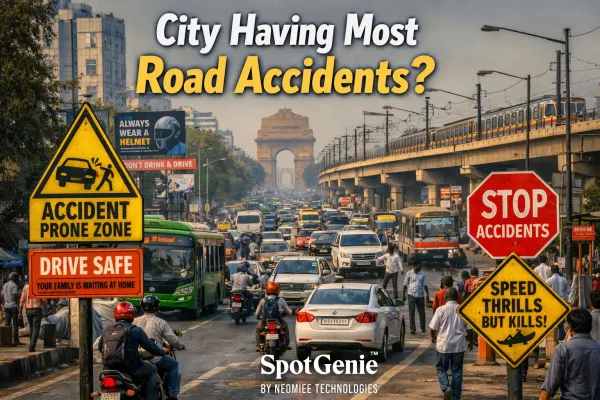
According to official road accident data, Delhi recorded the highest number of road accidents and fatalities among major Indian cities (2023), followed by Bengaluru and Chennai, making it India’s most accident-prone metropolis.
Gyaan 🧞♂️
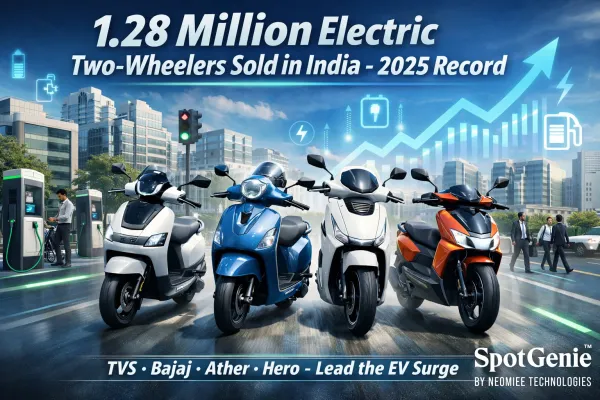
India’s electric two-wheeler segment hit a record 1.28 million sales in 2025, with legacy players TVS Motor, Bajaj Auto, Ather Energy, and Hero MotoCorp logging best-ever retails. SpotGenie Gyaan breaks down the numbers, brand shifts, and what it means for EV mobility.
Fact 🧞♂️
Mumbai’s iconic railway terminus holds a rare record in Indian Railways history. From Bori Bunder to Victoria Terminus to CST and finally CSMT, it has officially changed names more times than any other major station in India.
Gyaan 🧞♂️
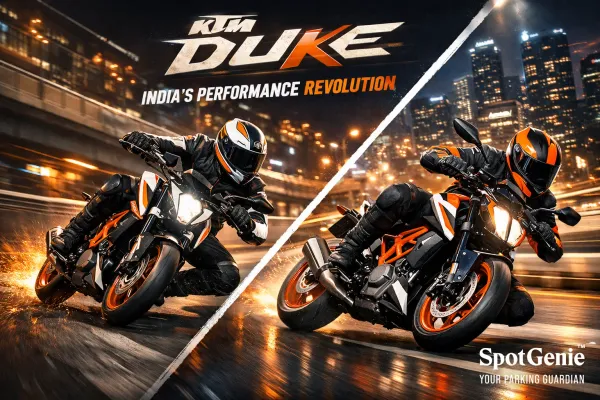
When KTM entered India in 2012, it didn’t adapt, it disrupted. The Duke 200 and 390 brought international racing tech to Indian streets, changing how performance motorcycles were built, priced, and ridden.
Fact 🧞♂️
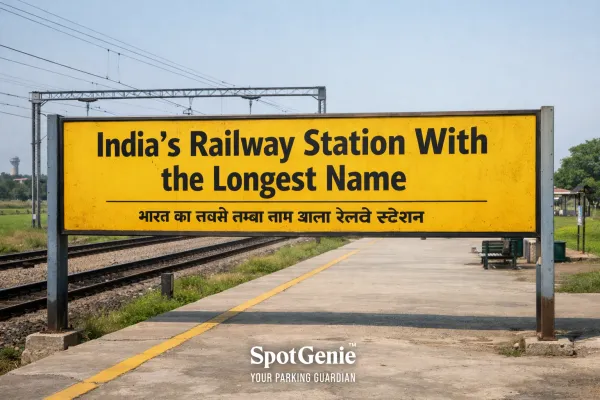
Sri Venkatanarasimharajuvaripeta holds the record for the longest railway station name in India. | SpotGenie Fact
Gyaan 🧞♂️
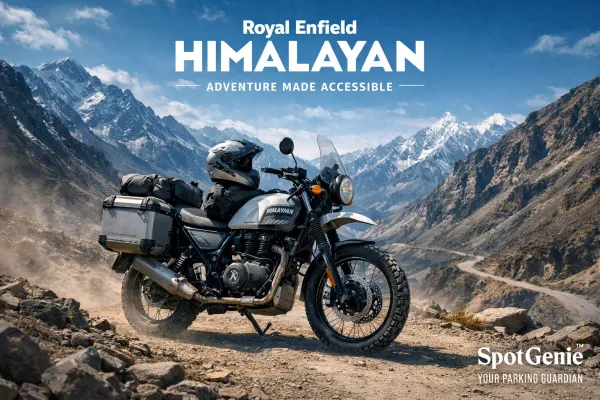
When Royal Enfield launched the Himalayan in 2016, it wasn’t chasing speed. It was chasing roads that didn’t exist. The Himalayan made adventure touring affordable, practical, and truly Indian.
Fact 🧞♂️
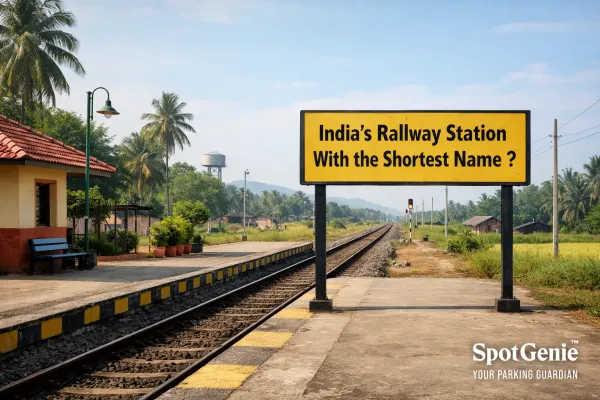
Ib Railway Station in Odisha holds the distinction of having one of the shortest station names in Indian Railways.
Gyaan 🧞♂️
Launched in 1972, Bajaj Chetak wasn’t just a scooter—it was a family member. Its 2020 electric return blends deep nostalgia with modern EV tech, proving some icons never fade.
Have a question or feedback?
Message us on
WhatsApp or visit
www.spotgenie.in